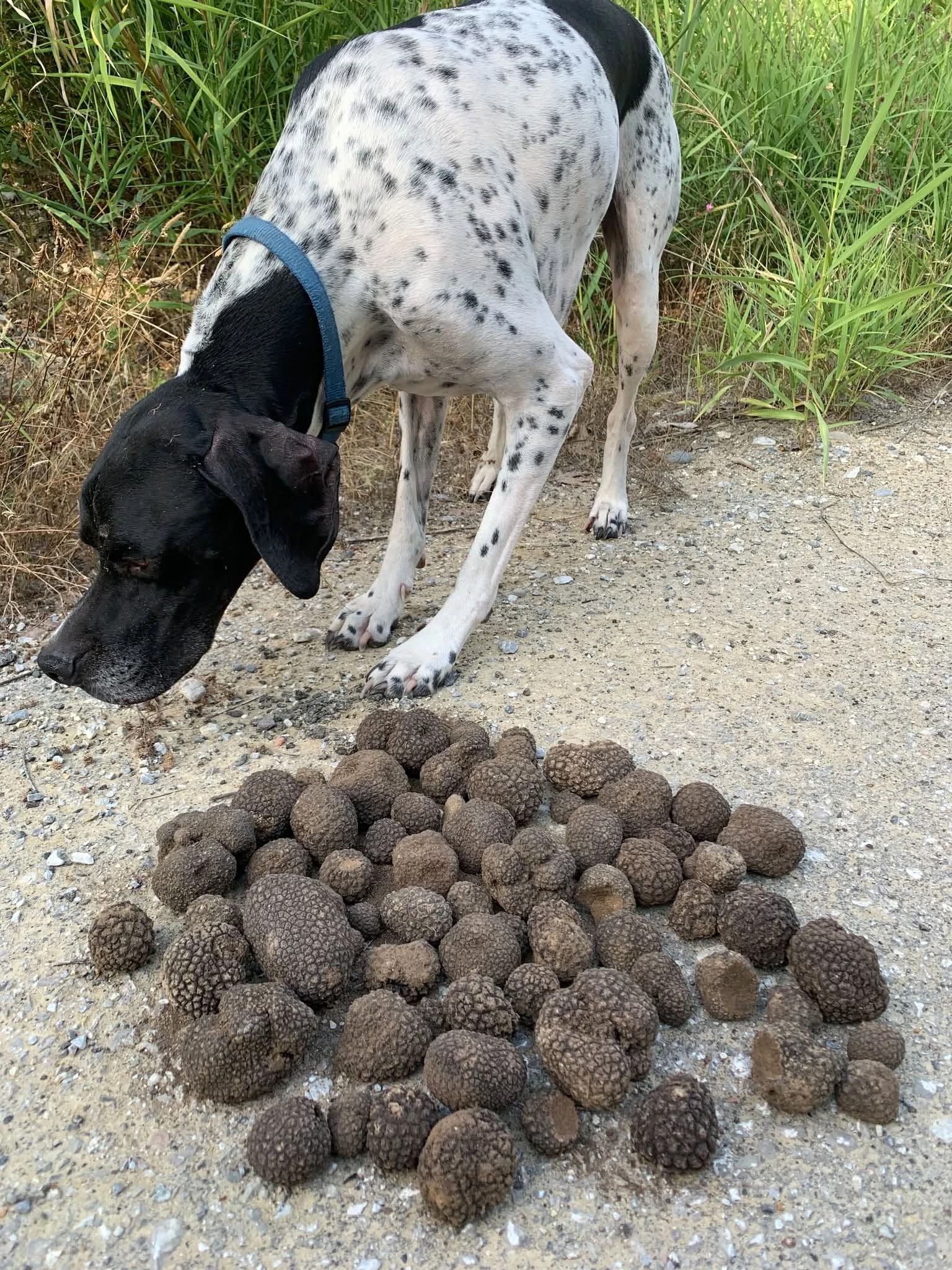
The truffle the thunder brings.
Some 2,300 years ago, Theophrastus, the pupil of Aristotle, noted what people in Greece used to say: when the autumn rains come and the thunderstorms grow heavy, the ὕδνον, the truffle, grows, and the stronger the thunder, the more of it.
«ὅταν ὕδατα μετοπωρινὰ καὶ βρονταὶ γίνωνται σκληραί, τότε γίνεσθαι»He himself only wrote down what people believed. At a banquet in Elis, the guests marvelled at the enormous truffles served by Agemachus. One of them smiled: «Worthy of the thunderstorms that have just passed over us.»
«ὕδνα παμμεγέθη δειπνοῦσιν ἡμῖν Ἀγέμαχος παρέθηκεν ἐν Ἤλιδι.»Does the thunder really make the truffle? The question remains open to this day, at least at the table.
The thunder belonged to Zeus, and Zeus lived on Mount Olympus. Today, in the forests around Olympus, our dogs search for wild truffles. And so the tradition continues.
Hydnon. Truffles from the mountain of thunder.
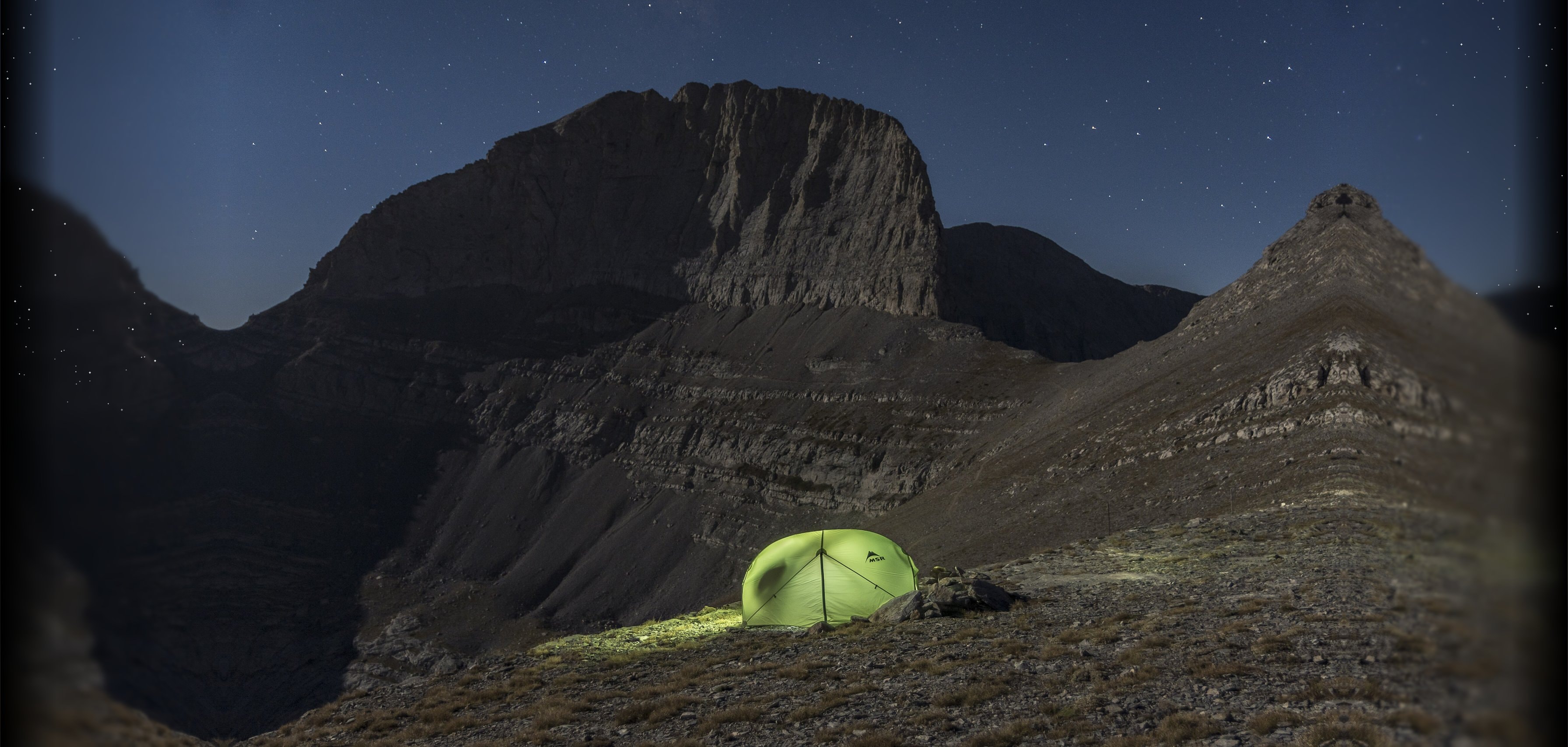
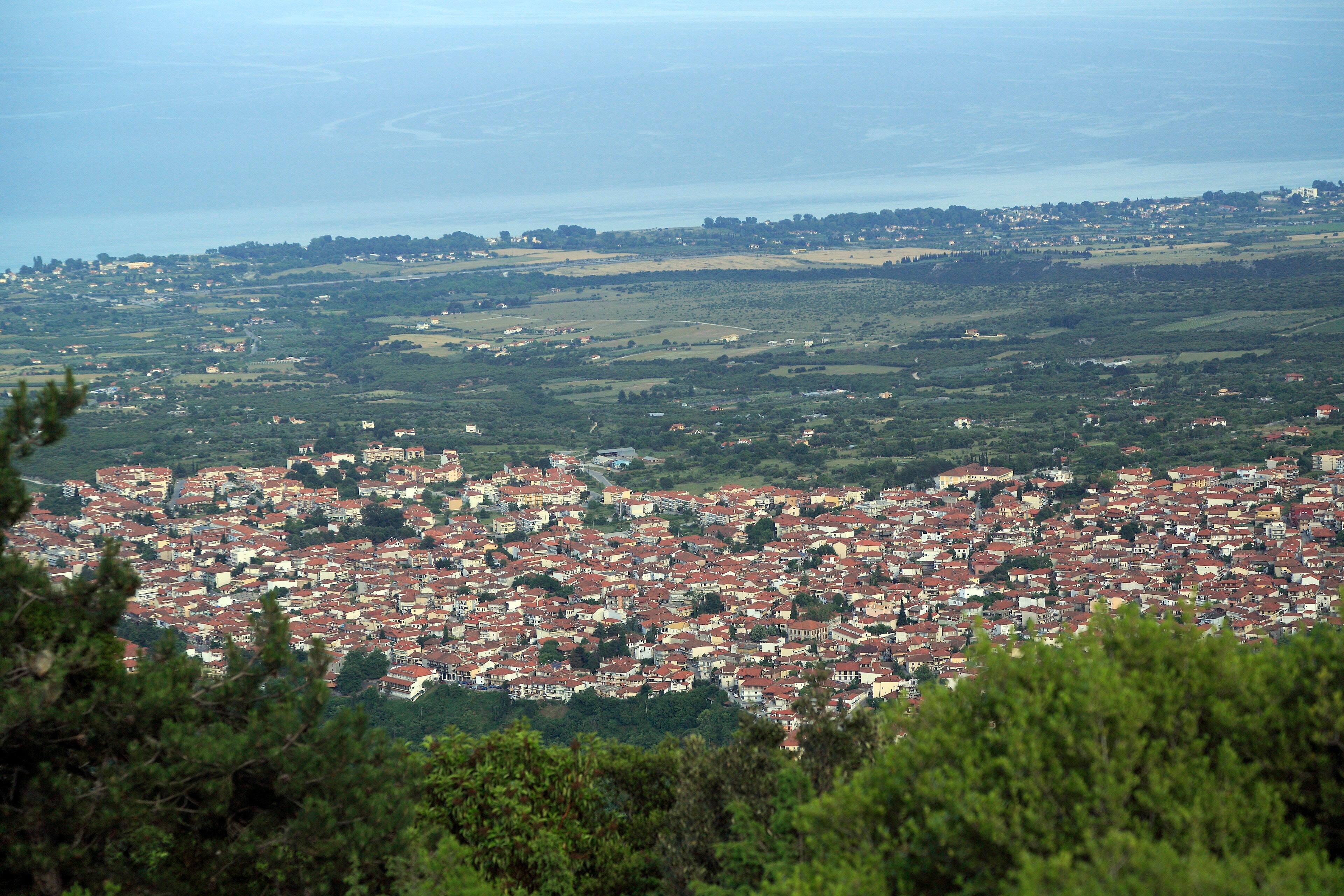
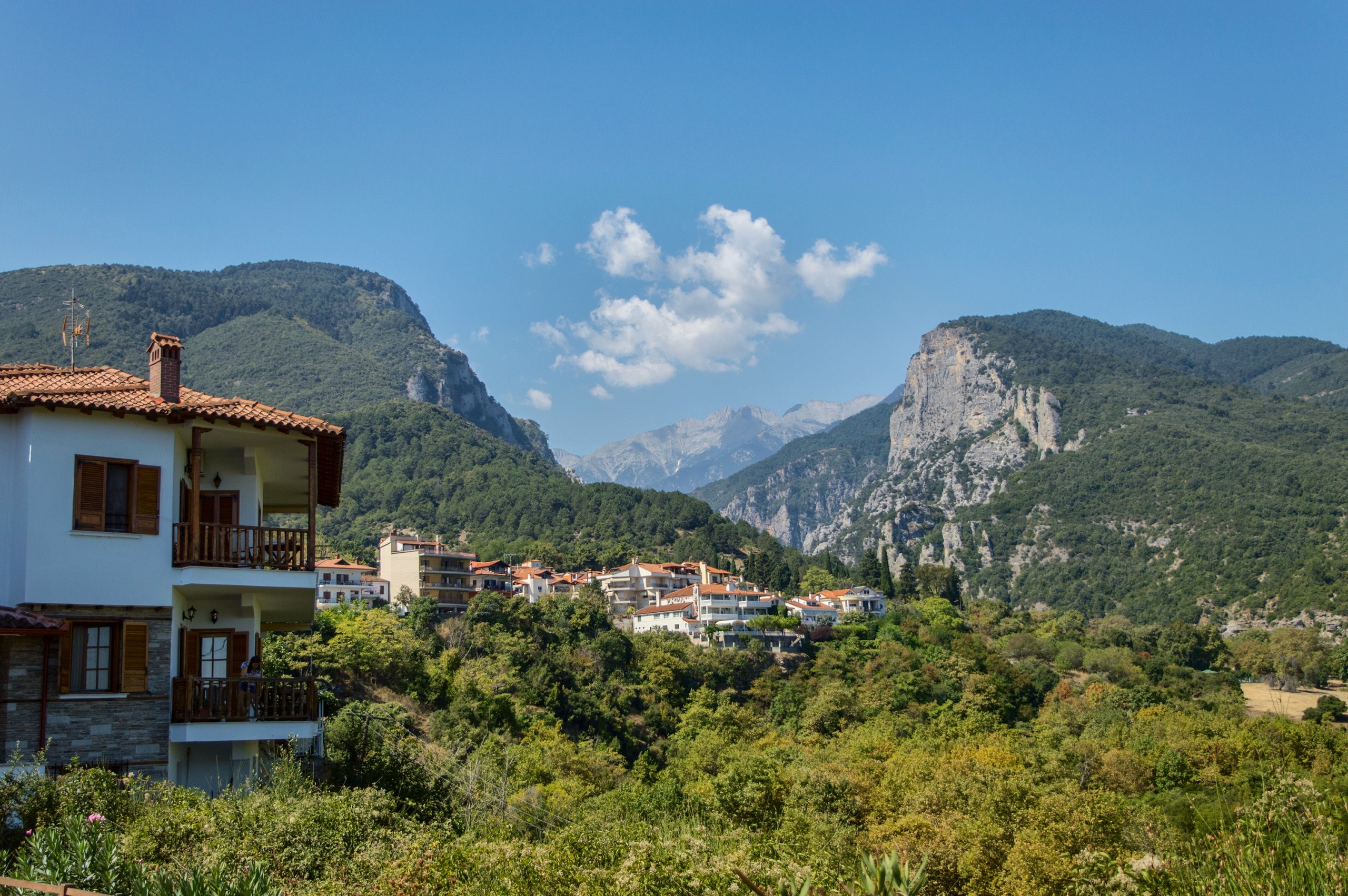
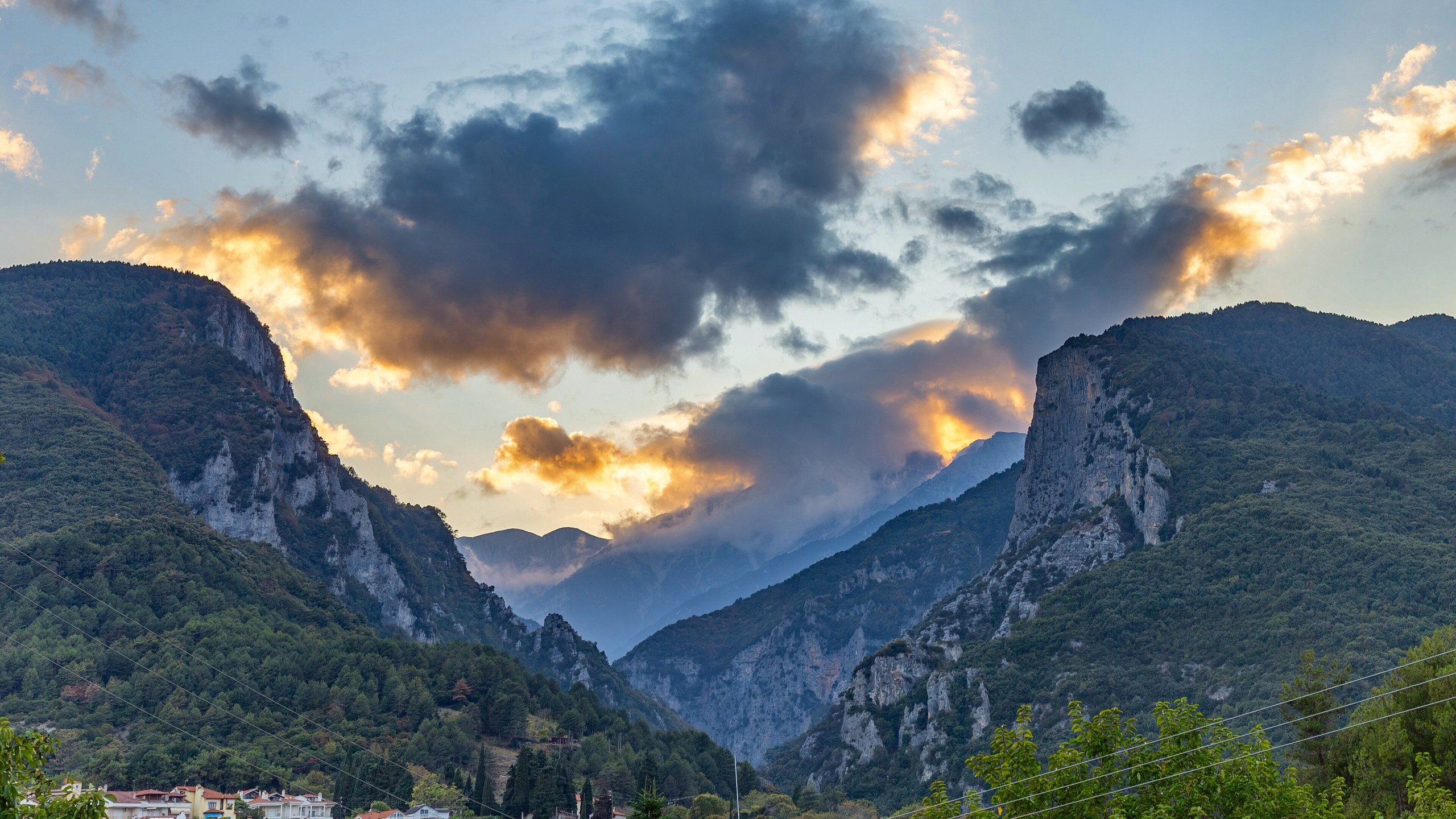
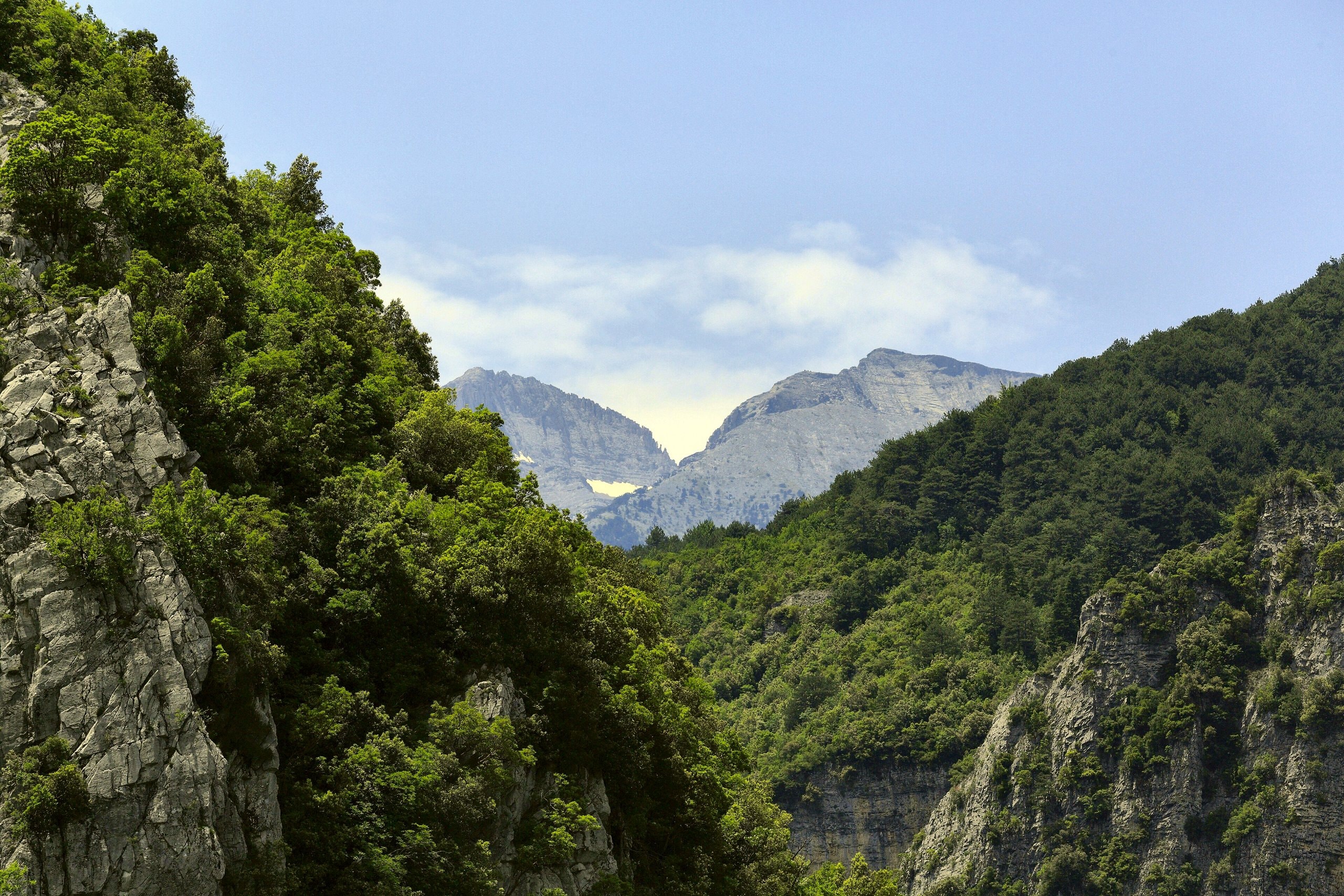
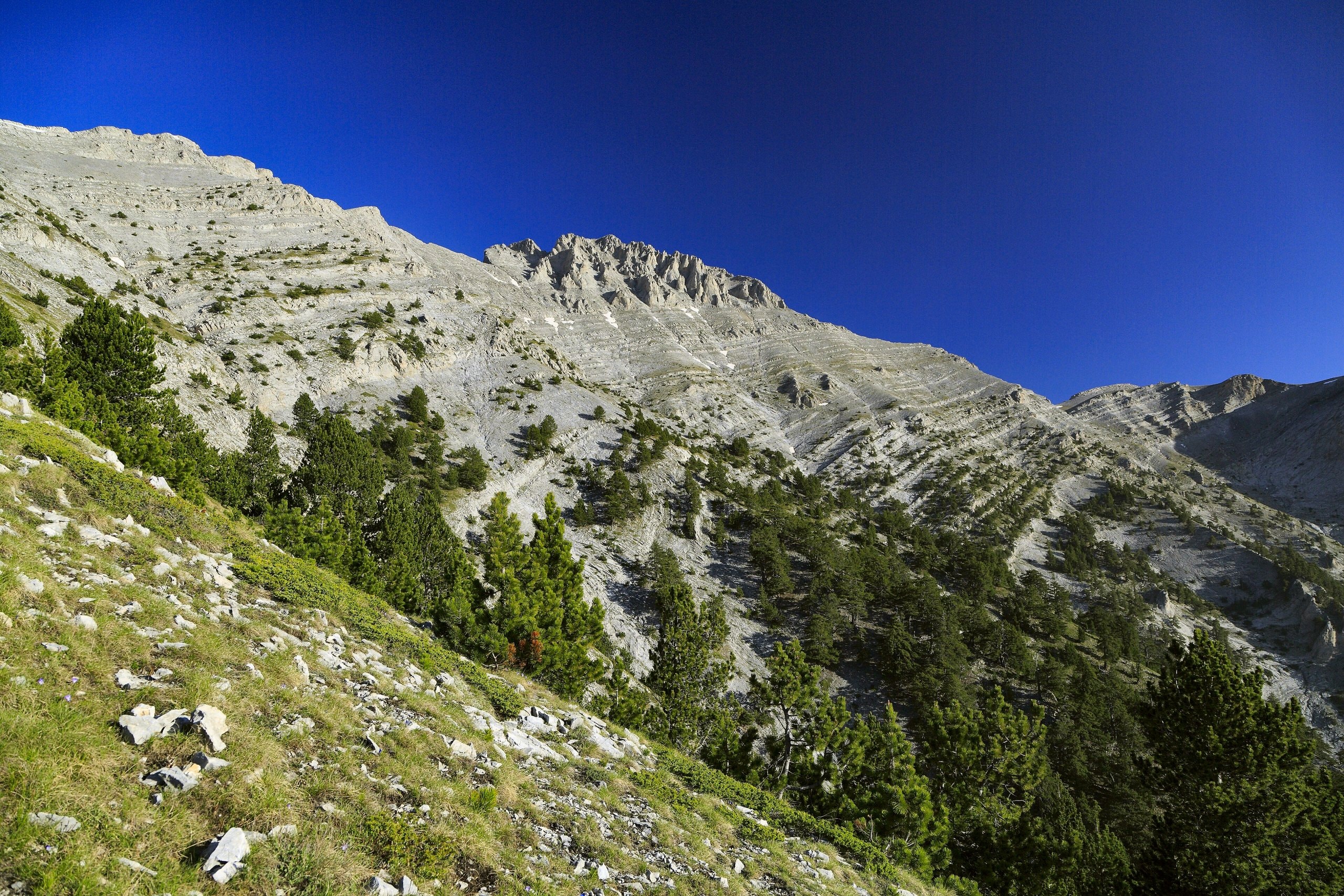
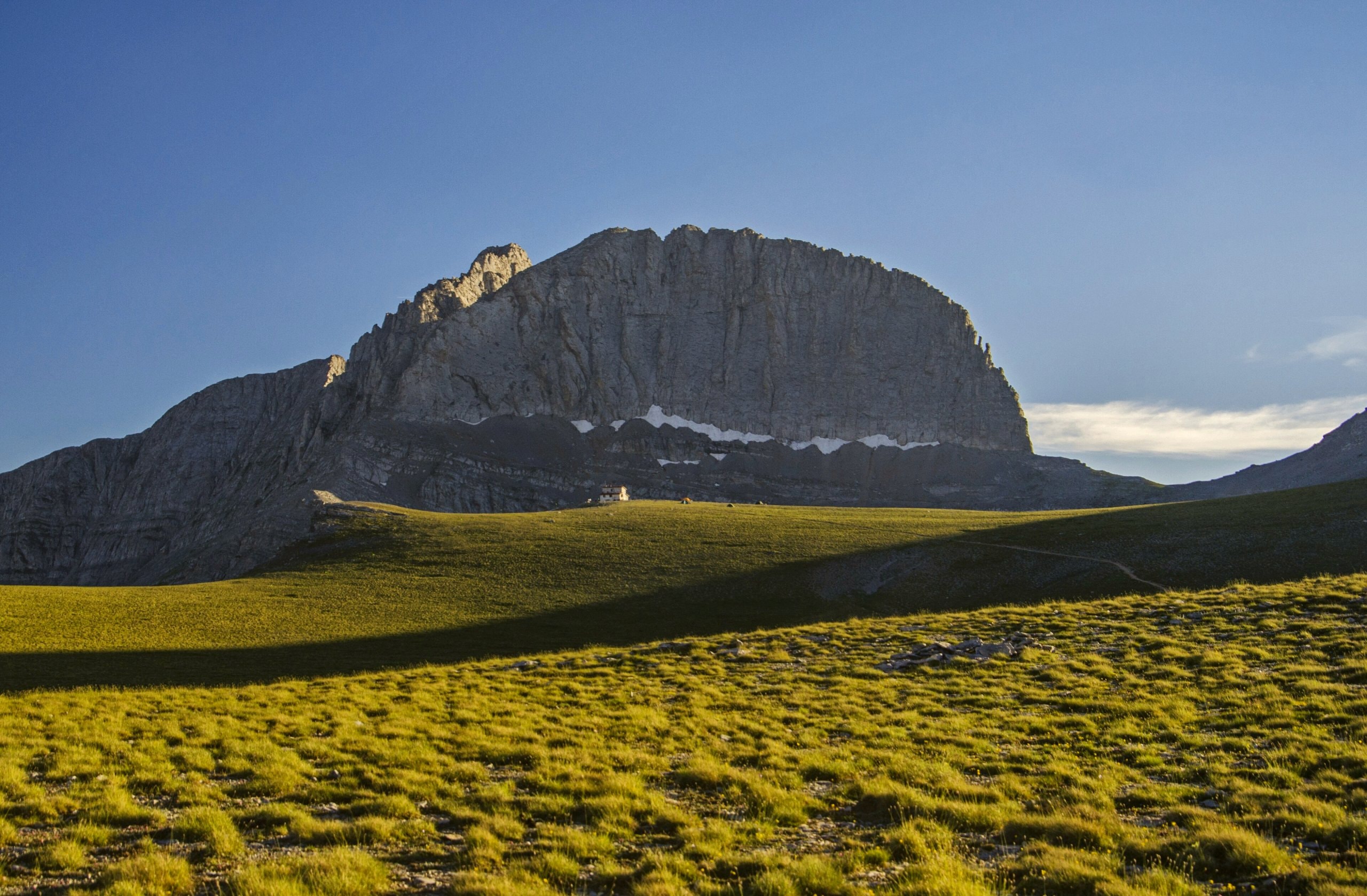
One place. One origin. Mount Olympus.
Our wild truffles come exclusively from the unspoiled regions around Mount Olympus.
Greece
Mount Olympus
Switzerland
Zurich Airport
In Greece they say: whatever grows in Greek soil takes on a taste of its own. The special microclimate, the forests and the natural diversity of the region create the conditions for truffles with a distinct character and intense aroma.
Scientifically documented
The Olympus massif consists mainly of limestone and marble; carbonate deposits lie at its foot.
Smith, Nance & Genes 1997 · GSA Bulletin 109(7) · Rassios et al. 2022 · Geoheritage
View studyWhy Mount Olympus?
What sets the region apart:
- large differences in elevation
- limestone soils
- different microclimates
- rich forest ecosystems
- the proximity to the Aegean
We do not cultivate the truffle. We search for it where it grows on its own.